
Uncategorized
What Happens to Your Documents After You Drop Them in a Shred Bin?
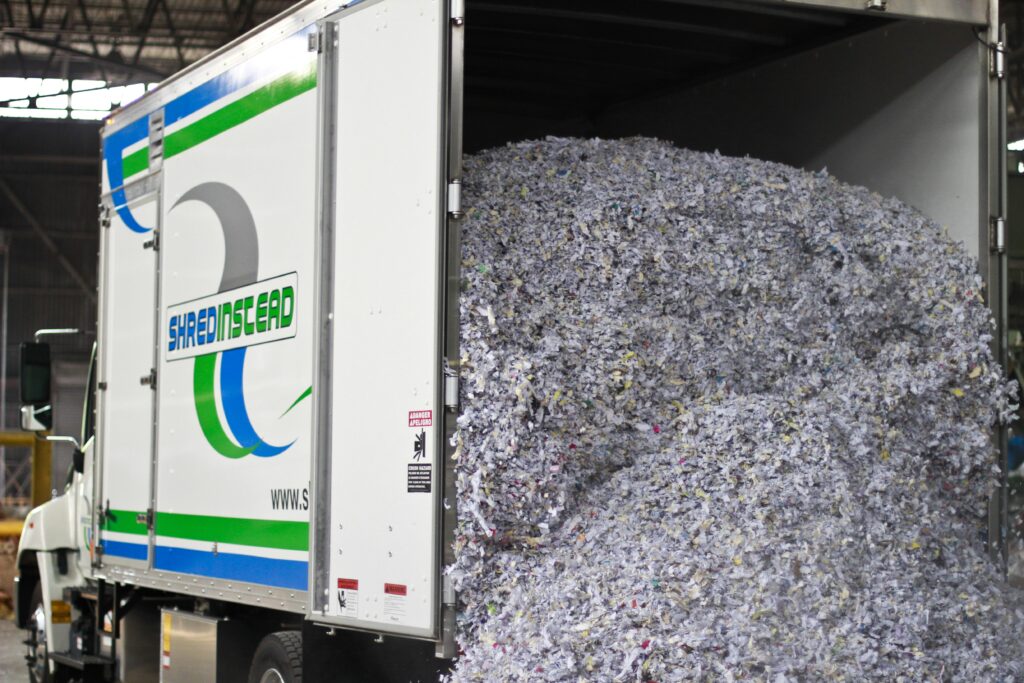
Dropping sensitive documents into a locked shred bin is easy. But what happens next? At Shred Instead, we believe secure destruction should never be a mystery. So, let’s walk through exactly what happens to your documents—from the moment they leave your hands to their final transformation into recycled pulp. Step 1: Secure, Hands-Free On-Site Shredding…
Read More5 Holiday Data Security Risks Companies Overlook (And How to Prevent Them)
The holiday season should be a time for celebration—not stress about data breaches or misplaced documents. Yet every December, businesses unknowingly expose themselves to higher data security risks. With staff taking time off, more visitors entering offices, and year-end cleanouts happening quickly, sensitive information becomes especially vulnerable. To help you finish the year with confidence,…
Read MoreNavigating 2025 Data Privacy Regulations
In an era where data breaches cost businesses an average of $4.44 million globally in 2025—a 9% decrease from the previous year, yet still a massive financial hit—staying ahead of evolving privacy regulations isn’t just good practice; it’s a legal imperative.[1] For companies in the Mid-Atlantic region, from bustling DC law firms to Maryland manufacturers,…
Read MoreCybersecurity Awareness: Online and Offline Protection
October is National Cybersecurity Awareness Month—a time to reflect on how we protect sensitive information. While most people focus on strong passwords, antivirus software, or firewalls, there’s another critical piece of the puzzle that often gets overlooked: paper documents. Cybersecurity Is Bigger Than Digital When we hear the word “cybersecurity,” we tend to think about…
Read MoreIndustries That Can’t Afford to Skip Secure Document Shredding
In today’s data-driven world, mishandling sensitive documents isn’t just risky—it can be catastrophic. Many sectors face strict regulations, legal liabilities, and a loss of trust when information isn’t destroyed properly. At Shred Instead, we help companies meet compliance needs while safeguarding security and peace of mind. Here’s a breakdown of key industries where shredding isn’t…
Read MoreWhat Businesses Need to Know About Federal and State Record Retention Laws?
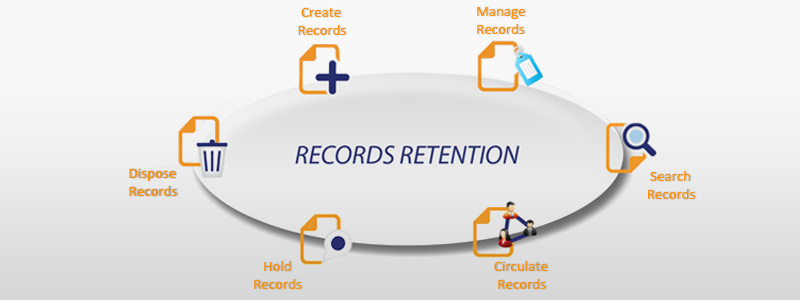
Companies generate documentation every day, which includes tax returns, agreements, invoices, staff files, e-mails, and similar information. The question of determining the duration of these records is not just a matter of saving storage space. Failure to adhere to the state record retention laws and federal regulations may expose a firm to fines, lawsuits and…
Read MoreMaintaining Compliance
Discover how our Protection Program can safeguard your business and ensure peace of mind in an increasingly complex compliance landscape.
Read MoreThe True Cost Of Data Breach—And How Shredding Can Prevent It

One Data Breach Could Cost You Millions—Here’s How to Prevent It Cyberattacks are more common than ever. While many companies invest in firewalls and digital security, one major risk often gets ignored: outdated hardware. That’s why destroying old hard drives is essential—not optional. In this article, we’ll show how data breaches happen, what they really…
Read MoreWhy Paper Shredding Is Still Essential In The Digital Age
In a world dominated by emails, cloud storage, and encrypted digital files, it’s easy to assume paper documents are a thing of the past. But the reality tells a different story. Despite the rise of digital communication, many businesses and individuals still rely on physical documents for contracts, medical records, legal paperwork, and more. That’s…
Read MoreAvoiding Fines: How Shredding Helps with CCPA & GDPR Compliance

In today’s data-driven world, businesses handle a staggering amount of personal information every day. Whether it’s customer names, contact details, or financial records, the protection of this data has become a legal and ethical priority. With strict privacy laws such as the California Consumer Privacy Act (CCPA) and the General Data Protection Regulation (GDPR) in…
Read More